
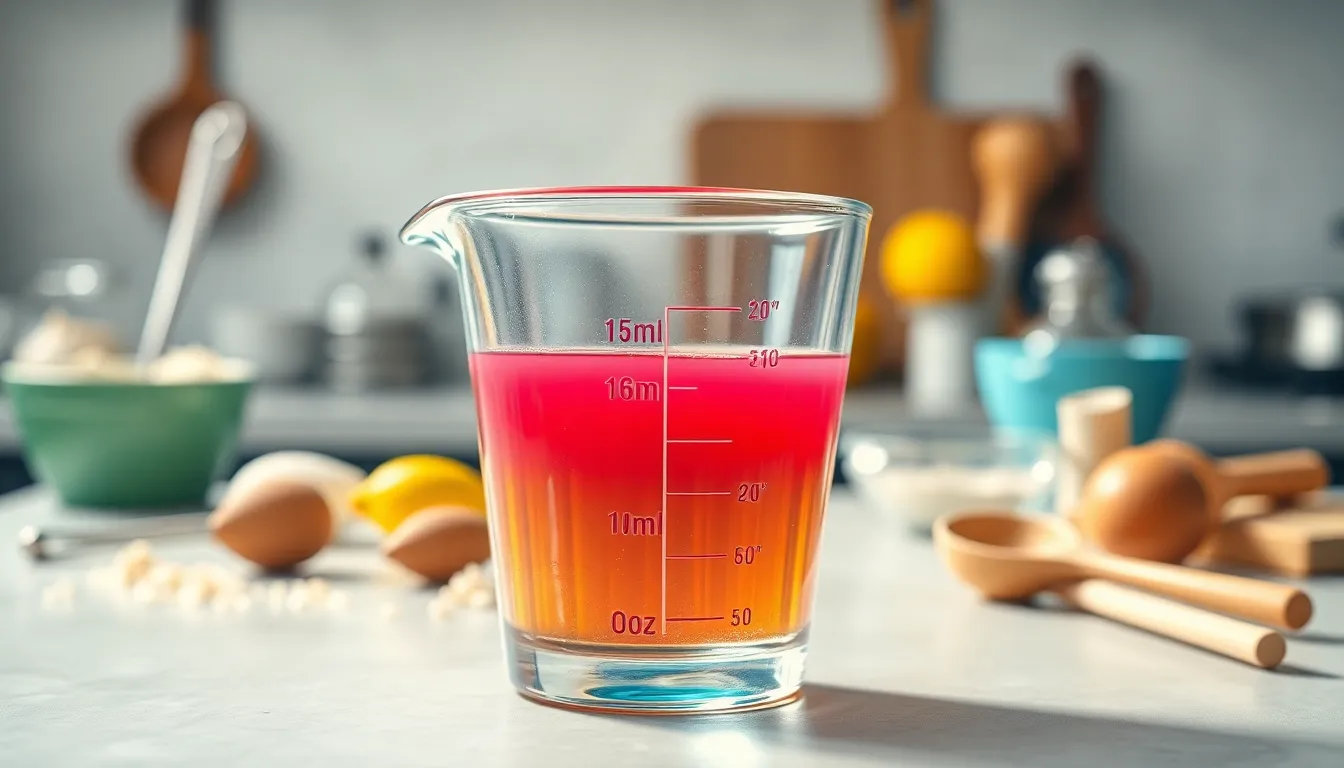
Converting measurements can be tricky, especially when dealing with different units. For anyone in the kitchen or working with liquids, knowing how to switch between milliliters and ounces is essential. One common question that arises is how many ounces are in 15 milliliters.
Understanding this conversion not only simplifies cooking and baking but also enhances precision in various tasks. Whether measuring ingredients for a recipe or dosing medicine, having a clear grasp of these conversions can make all the difference. In this article, we’ll break down the conversion of 15 ml into ounces, making it easy for everyone to follow along.
Understanding Liquid Measurements
Liquid measurements play a crucial role in ensuring accurate results in cooking, baking, and scientific applications. Understanding how different units convert aids in precision.
Common Units of Measurement
Common liquid measurement units include milliliters (ml), ounces (oz), liters (L), and cups. Each unit serves specific purposes:
- Milliliters (ml) are typically used in medical and culinary contexts for small quantities.
- Ounces (oz) are widely practiced in the U.S. for beverage and food measurements.
- Liters (L) are standard for larger quantities, especially in beverage packaging.
- Cups often simplify measurements in recipes, particularly in baking.
These units vary in size, making conversions important in daily use.
Importance of Accurate Conversions
Accurate conversions prevent errors that lead to undesirable outcomes in cooking and baking. For example, using incorrect measurements can result in overly salty soup or improperly risen cakes.
- In cooking, miscalculating liquid ingredients can alter flavor and texture.
- In baking, precision ensures a consistent structure and taste in pastries and breads.
- In science, precise measurements allow for valid experiments and results.
Understanding how to convert milliliters to ounces, such as knowing that 15 ml equals approximately 0.51 ounces, facilitates accuracy in various tasks.
Converting Milliliters to Ounces
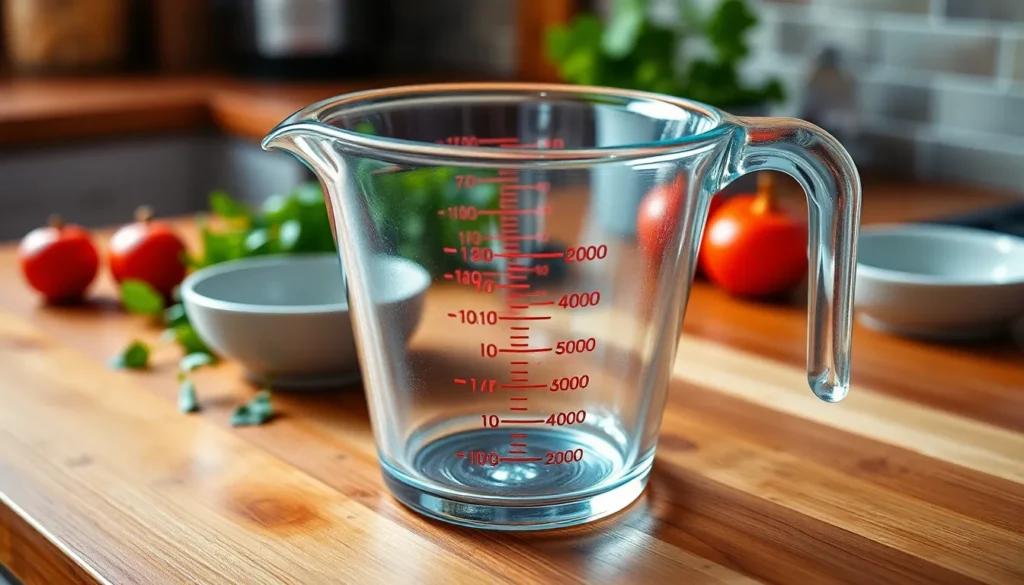
Converting milliliters to ounces involves a straightforward mathematical calculation. Understanding this conversion helps in precise measurements for cooking and baking.
The Conversion Formula
To convert milliliters to ounces, use the formula:
[ text{Ounces} = text{Milliliters} times 0.033814 ]
For example, for 15 milliliters, the calculation is:
[ 15 , text{ml} times 0.033814 = 0.50721 , text{ounces} ]
This means 15 milliliters is approximately 0.51 ounces.
Tools for Conversion
- Conversion Calculators: Online tools provide quick conversions with just a few clicks.
- Conversion Charts: Charts offer a visual reference for different measurements in milliliters and ounces, useful in recipes.
- Mobile Apps: Many apps feature built-in converters for various units, enhancing precision in cooking or scientific work.
- Measuring Cups: Some measuring cups include both milliliters and ounces for immediate reference.
Practical Applications of the Conversion
Understanding the conversion from milliliters to ounces proves practical in daily activities. Knowing how to apply this conversion simplifies various tasks.
Everyday Uses
People often encounter fluid measurements in multiple scenarios. Medications typically use milliliters for dosage, while beverage containers may display ounces. For precise dosing, converting 15 milliliters to approximately 0.51 ounces allows individuals to administer the correct volume. Additionally, personal care products, such as lotions and shampoos, may indicate measurements in both milliliters and ounces, ensuring proper usage without unnecessary waste.
Cooking and Baking
Cooking and baking frequently require accurate liquid measurements. Many recipes list ingredients in milliliters. Converting these amounts to ounces, such as the conversion of 15 milliliters to 0.51 ounces, helps maintain consistency and quality. Accurate measurements prevent errors, ensuring dishes taste as intended. Many measuring tools, like kitchen scales and spouted measuring cups, now feature dual markings in milliliters and ounces, facilitating easier use for both amateur and professional cooks.
Factors Affecting Conversion Accuracy
Several factors influence the accuracy of conversions between milliliters and ounces, impacting precision in various applications.
Measurement Context
Measurement context plays a significant role in conversion accuracy. Different fields, such as cooking, medicine, and scientific research, may require varying levels of precision. For instance, culinary applications might allow for slight variances without affecting the final outcome, while pharmaceutical measurements demand exactness for safety. It’s crucial for individuals to understand the context and select appropriate tools based on that context to ensure accuracy in conversion.
Liquid Density Considerations
Liquid density affects the volume-to-weight relationships, which can alter conversion outcomes. While milliliters and ounces measure volume, the density of the liquid being measured can influence how much that volume weighs. For example, water has a density close to 1 gram per milliliter, making conversions straightforward. However, liquids like oils or syrups have different densities, necessitating adjustments in conversions for accuracy. Awareness of these factors leads to precise measurement and improved results in culinary and scientific activities.
Mastering the conversion from milliliters to ounces is an invaluable skill that enhances accuracy in various tasks. Knowing that 15 milliliters is approximately 0.51 ounces allows individuals to navigate recipes and measurements with confidence.
Whether in cooking baking or even administering medication understanding these conversions can prevent costly mistakes. Utilizing tools like conversion charts and measuring cups with dual markings makes the process even simpler.
By grasping the nuances of liquid measurements and their conversions individuals can ensure precision in their culinary creations and scientific endeavors. This knowledge not only elevates the quality of outcomes but also fosters a deeper appreciation for the art and science of measurement.

