

As 2024 unfolds, North Carolina’s gun laws are under the spotlight, reflecting a dynamic landscape of regulations and public sentiment. With ongoing debates about safety and individual rights, understanding these laws is crucial for residents and visitors alike. The state has seen significant changes in its legislative approach, making it essential to stay informed about what’s new.
From concealed carry permits to restrictions on certain firearms, the evolving statutes impact how citizens exercise their Second Amendment rights. This article dives into the latest updates, clarifying the implications for gun owners and enthusiasts in North Carolina. Whether someone is a seasoned gun owner or considering their first purchase, knowing the current laws can make all the difference.
Overview of North Carolina Gun Laws 2024
North Carolina’s gun laws in 2024 reflect significant legislative updates essential for residents and visitors. These regulations evolve to balance safety with individual rights, impacting various aspects of gun ownership and use.
Key Changes in Legislation
Key legislative changes in North Carolina as of 2024 include updates to concealed carry permit requirements and restrictions on certain firearms. The House Bill 547 streamlines the permit application process, reducing processing times from eight to three weeks. Additionally, this bill permits applicants to renew online, enhancing accessibility. Restrictions on specific high-capacity magazines and certain semi-automatic rifles have been tightened, requiring compliance with defined capacity limits. Furthermore, legislation prohibits individuals under 21 from accessing specific firearm types, aligning with national discussions on gun safety.
Impact on Gun Owners
The impact on gun owners involves alterations in how they apply for permits, what firearms they can access, and where they can carry them. The expedited application process offers greater efficiency for applicants. The restrictions on specific firearms require current gun owners to verify compliance to avoid penalties. Knowledge of the updated laws becomes crucial for safe and responsible gun ownership. Furthermore, individuals contemplating ownership must stay informed about training and safety requirements mandated by the latest legislation to ensure legal compliance.
Permits and Licensing Requirements
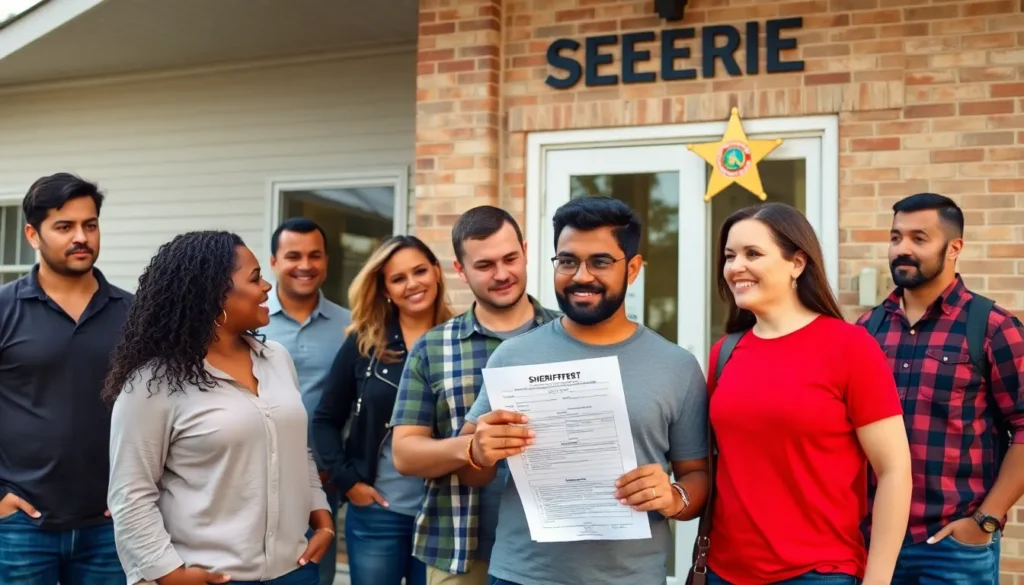
Understanding permits and licensing requirements is essential for gun owners in North Carolina. As gun laws evolve, clarity on the types of permits and the application process is crucial for compliance.
Types of Permits
North Carolina issues various permits related to firearms, including:
- Concealed Carry Permit: Allows individuals to carry concealed firearms in public. Applicants must meet eligibility criteria, including age, residency, and background checks.
- Pistol Purchase Permit: Required for buying handguns, this permit helps ensure background checks occur prior to purchase.
- Limited State-issued Permits: These permits may authorize specific types of firearms or restrict usage to designated areas.
Application Process
The application process for permits in North Carolina involves several key steps:
- Eligibility Verification: Applicants must confirm they meet age and residency requirements.
- Background Check Initiation: All applicants undergo a comprehensive background check to assess criminal history and mental health status.
- Training Completion: Successful completion of an approved firearms safety course is required for the concealed carry permit application.
- Submission of Application: Applications are submitted to the local sheriff’s office, including any required fees and documentation.
- Processing Time: For concealed carry permits, the processing time has been streamlined to approximately three weeks.
Gun owners must navigate these regulations to ensure compliance with North Carolina’s laws.
Concealed Carry Laws
The concealed carry laws in North Carolina define the requirements and regulations for carrying firearms in public. Understanding these laws ensures compliance and promotes responsible gun ownership.
Eligibility Criteria
Eligible applicants for a Concealed Carry Permit in North Carolina must meet specific criteria. Applicants must be at least 21 years old, U.S. citizens or legal residents, and residents of North Carolina for at least 30 days. They must not have felony convictions, domestic violence charges, or any disqualifying mental health adjudications. Additionally, applicants must successfully complete a firearms safety course approved by the North Carolina Department of Justice. This course ensures that applicants understand firearm safety and handling, reinforcing responsible ownership.
Restrictions and Provisions
Restrictions and provisions under North Carolina’s concealed carry laws impose limits on where firearms may be carried. Individuals cannot carry concealed weapons in certain locations, including school grounds, government buildings, and areas where alcohol is served (unless a permit holder remains in a designated area). Furthermore, the laws prohibit individuals from carrying weapons in gatherings or public events if prohibited by the event organizer. Carrying outside the guidelines can result in penalties or revocation of the permit. Staying informed about these restrictions ensures legal compliance and promotes community safety.
Open Carry Regulations
Open carry in North Carolina allows individuals to carry firearms visibly in public spaces under specific conditions. Understanding the legal framework and local ordinances is essential for compliance.
Legal Framework
North Carolina law permits open carry without a special permit. Individuals 18 years or older can openly carry specific firearms, including handguns and long guns, as long as they are not prohibited by law. Open carry remains lawful unless local ordinances restrict it further. State law requires individuals to be cautious and responsible, ensuring that firearms are not pointed at others and are carried in a manner that promotes safety. Firearm owners must also abide by national regulations regarding certain populated areas, such as government buildings and educational institutions.
Local Ordinances
Local jurisdictions in North Carolina may establish stricter regulations regarding open carry. Some cities and counties have enacted ordinances that limit open carry in public parks, events, or other designated areas. For instance, municipalities like Charlotte and Raleigh have introduced regulations that warrant awareness among open carriers to avoid potential legal issues. It’s prudent for individuals to consult local laws and regulations to ensure compliance with any specific restrictions that may apply. Ignorance of such regulations can lead to penalties or legal repercussions.
Penalties for Violations
Understanding penalties for violations of North Carolina’s gun laws is vital for all gun owners. These penalties range from criminal charges to civil liabilities, emphasizing the importance of complying with state regulations.
Criminal Penalties
Criminal violations of gun laws can result in serious consequences. Individuals found guilty of illegal possession or sale of firearms may face felony charges, leading to imprisonment for up to 10 years, depending on the severity of the offense. Concealing a weapon without a valid permit also constitutes a Class 2 misdemeanor, punishable by up to 60 days in jail. Additionally, violations related to registrations of specific firearms, such as assault weapons, carry stricter consequences, sometimes resulting in felony charges. Repeat offenders face escalated penalties, including lengthier jail sentences and hefty fines.
Civil Liabilities
Civil liabilities arise when individuals fail to adhere to North Carolina’s gun regulations. Affected parties may sue for damages caused by negligent firearm use. For instance, if a person accidentally discharges a weapon and injures someone, they could face a civil lawsuit with compensation claims that may cover medical expenses and pain and suffering. Furthermore, firearm owners may be held liable if they fail to secure their weapons properly, allowing minors or unauthorized individuals access to firearms. This liability underscores the necessity for responsible ownership and adherence to safety regulations.
North Carolina’s gun laws in 2024 reflect a significant shift in the landscape of firearm regulations. With changes aimed at streamlining the permit process and tightening restrictions on specific firearms, it’s crucial for residents and visitors alike to stay informed. Understanding the nuances of these laws not only promotes responsible ownership but also ensures compliance with state and local regulations.
As debates continue around safety and individual rights, responsible gun ownership remains a priority. By being aware of the latest updates and adhering to the legal requirements, individuals can navigate the complexities of North Carolina’s gun laws effectively. This knowledge fosters a safer environment for everyone in the community.

