
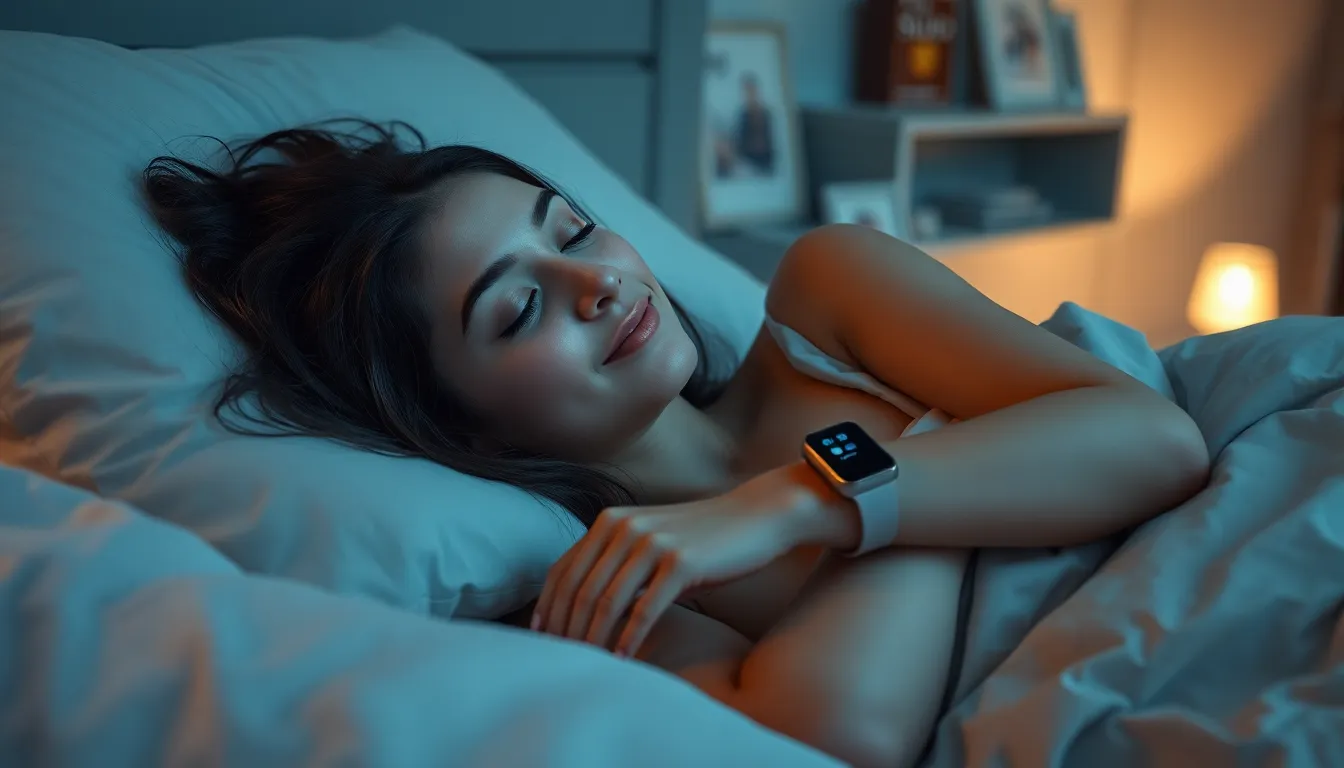
In today’s fast-paced world, quality sleep often takes a backseat. As people strive for better health and well-being, sleep analysis wearables have emerged as a game-changer. These innovative devices track sleep patterns and provide insights that help individuals understand their sleep quality and make informed adjustments to their routines.
From smartwatches to specialized sleep trackers, wearables have revolutionized how we approach rest. With real-time data at their fingertips, users can identify issues like sleep apnea or disturbances that disrupt their slumber. As technology continues to evolve, the potential for personalized sleep solutions grows, making it easier than ever to achieve that elusive restful night.
Overview of Sleep Analysis Wearables
Sleep analysis wearables encompass various devices designed to track and analyze sleep patterns. Common examples include smartwatches and dedicated sleep trackers. These devices utilize sensors to monitor various metrics, such as heart rate, movement, and sleep stages, providing users with detailed insights into their sleep quality.
By analyzing data, users can identify common sleep issues like sleep apnea, insomnia, or restless leg syndrome. Wearables often integrate seamlessly with mobile applications, allowing for easy access to reports and trends over time. This data-driven approach empowers individuals to make informed decisions about their sleep habits and overall wellness.
Technology innovation enhances sleep analysis accuracy. Some wearables employ advanced algorithms and machine learning to refine data interpretation, delivering personalized insights tailored to individual needs. This trend encourages more effective strategies for improving sleep quality.
Many wearables prioritize comfort for nightly use, featuring lightweight designs and extended battery life. These factors ensure devices remain unobtrusive during sleep. Consequently, sleep analysis wearables play a vital role in promoting healthy sleep patterns, making them essential tools for anyone looking to enhance their sleep health.
Key Features to Consider

When selecting sleep analysis wearables, it’s essential to evaluate specific features that enhance tracking capabilities and user experience. Key factors include accuracy, battery life, and app integration.
Accuracy of Sleep Tracking
Accuracy ranks as the most critical factor in sleep analysis wearables. High-quality devices employ multiple sensors, including accelerometers and heart rate monitors, to capture sleep patterns accurately. Look for wearables that utilize advanced algorithms and machine learning to differentiate between sleep stages—light, deep, and REM—to provide comprehensive insights. Certified devices often meet stringent accuracy standards, offering reliable data that users can trust to identify sleep disturbances.
Battery Life and Charging
Battery life significantly impacts the usability of sleep analysis wearables. Devices featuring long-lasting batteries can operate for several days without frequent charging, allowing users to track sleep consistently. Many sleep wearables offer a battery life of 5 to 14 days, depending on usage and features. Fast charging capabilities also provide convenience, enabling users to quickly recharge devices between uses for maximum efficiency.
User Interface and App Integration
An intuitive user interface enhances the overall experience with sleep analysis wearables. Users benefit from clear, easy-to-navigate displays that present sleep data succinctly. Additionally, seamless integration with mobile apps allows users to access detailed reports and historical data effortlessly. Look for wearables compatible with popular health platforms, providing insights such as trends, recommendations, and personalized tips to improve overall sleep health.
Popular Sleep Analysis Wearables
Several sleep analysis wearables dominate the market, each offering unique features to enhance sleep health. Below is a comparative overview of top brands and their distinctive attributes.
Comparative Review of Top Brands
| Brand | Device Name | Key Metrics Tracked | Battery Life |
|---|---|---|---|
| Fitbit | Fitbit Charge 5 | Sleep stages, heart rate, SpO2 | 7 days |
| Apple | Apple Watch Series 8 | Sleep stages, heart rate, noise | 18 hours |
| Oura | Oura Ring Generation 3 | Sleep stages, heart rate variability | 4 to 7 days |
| WHOOP | WHOOP Strap 3.0 | Sleep stages, strain, recovery | 5 days |
| Garmin | Garmin Venu 2 | Sleep stages, heart rate, movement | 11 days |
Unique Features of Each Device
- Fitbit Charge 5: Offers built-in stress management tools, including EDA sensor data for tracking physiological responses.
- Apple Watch Series 8: Integrates with Apple’s Health app, providing a comprehensive overview of health metrics alongside customizable sleep schedules.
- Oura Ring Generation 3: Features a comfortable ring design, making it unobtrusive, and provides detailed insights on readiness scores based on sleep quality.
- WHOOP Strap 3.0: Focuses on recovery and performance, with real-time feedback to optimize both sleep and workout regimens through data analytics.
- Garmin Venu 2: Incorporates GPS functionality, making it suitable for active users who want to track both workouts and sleep seamlessly.
Benefits of Using Sleep Analysis Wearables
Using sleep analysis wearables offers numerous advantages for improving sleep quality and overall health.
- Detailed Insights: Wearables provide data on sleep stages, duration, and interruptions, allowing users to understand their sleep cycle better.
- Identifying Sleep Disorders: Devices can help detect conditions like sleep apnea, insomnia, or restless leg syndrome, leading to informed decisions about seeking medical advice.
- Personalized Recommendations: By analyzing collected data, wearables generate tailored suggestions, enhancing sleep habits based on individual patterns.
- Tracking Progress: Users can monitor changes in their sleep quality over time, assessing the effectiveness of new routines or lifestyle adjustments.
- Integrated Health Monitoring: Many wearables track complementary health metrics, such as heart rate and activity levels, providing a holistic view of wellness.
- Convenience and Comfort: Designed for nightly wear, sleep analysis devices prioritize comfort and ease of use, often featuring lightweight designs and long battery life.
- Motivation for Healthy Habits: Access to sleep data can encourage users to adopt healthier practices, such as maintaining consistent sleep schedules and reducing screen time before bed.
- Community and Support: Many wearables connect to online platforms where users can share experiences, gain insights, and find encouragement from others on similar wellness journeys.
These benefits demonstrate how sleep analysis wearables contribute significantly to enhancing sleep quality, promoting better health outcomes.
Challenges and Limitations
Sleep analysis wearables offer valuable insights but also present several challenges and limitations that users should consider. Awareness of these issues ensures informed decisions regarding their use.
Data Privacy Concerns
Data privacy poses significant concerns for users of sleep analysis wearables. Many devices collect sensitive information, including sleep patterns and health metrics. Users often share this data with cloud services for analysis. If companies do not implement robust security measures, potential breaches may expose personal health information. Additionally, users may face difficulties understanding how their data is utilized and whether it’s sold to third parties. Transparency in data handling practices from manufacturers can mitigate these concerns.
Accuracy Issues
Accuracy issues present challenges in the reliability of sleep data from wearables. While many devices claim to provide detailed insights, variations in sensor technology and algorithms can lead to discrepancies. For instance, some devices struggle to differentiate between light sleep and wakefulness, affecting the overall quality of the analysis. Users may receive inaccurate insights, leading to misguided decisions about their sleep health. Continuous monitoring of devices for algorithm updates and improved accuracy can help users achieve more reliable outcomes.
Sleep analysis wearables are transforming how individuals approach their sleep health. By providing real-time insights and personalized recommendations, these devices empower users to take control of their sleep patterns. The integration of advanced technology ensures that users receive accurate data, making it easier to identify and address sleep issues.
While challenges like data privacy and accuracy exist, the benefits of using these wearables far outweigh the drawbacks. As technology continues to evolve, sleep analysis wearables will likely become even more sophisticated, offering deeper insights into sleep quality and overall well-being. Embracing these devices can lead to healthier sleep habits and improved quality of life.

