
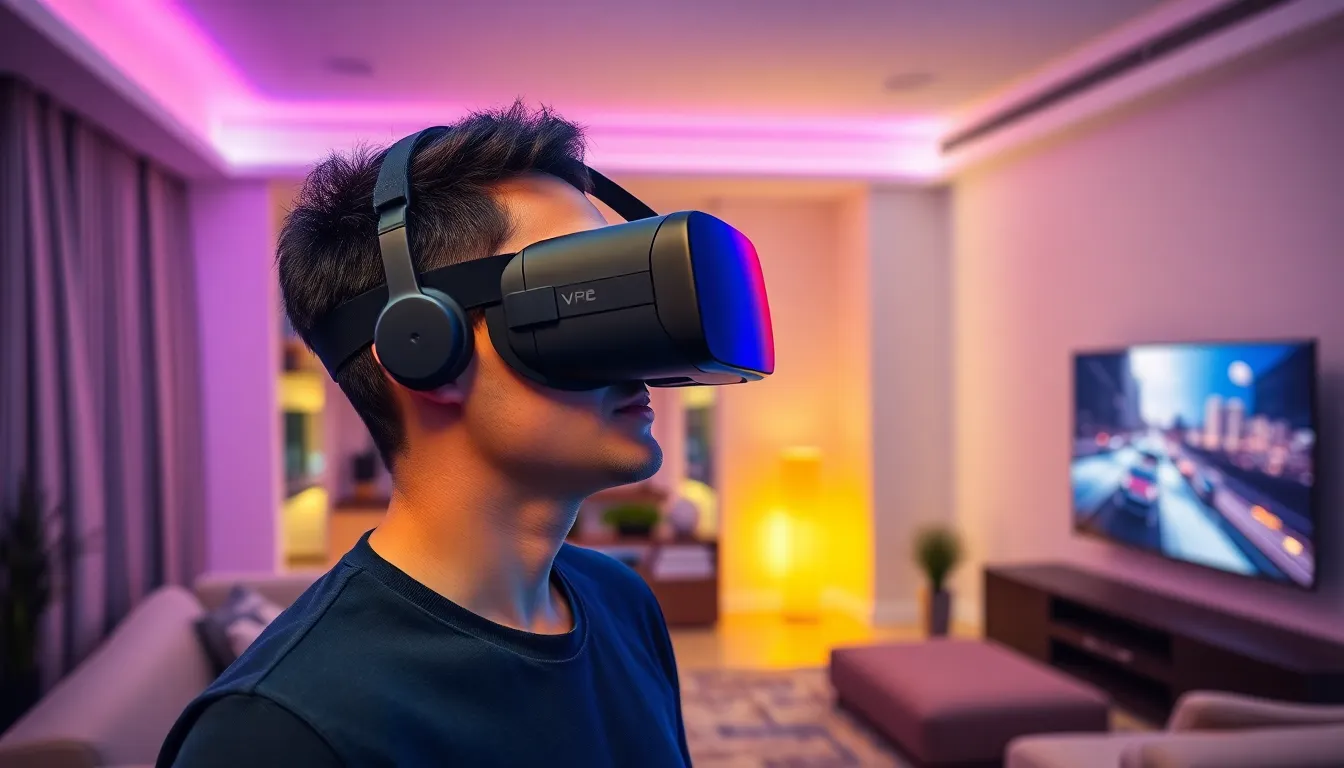
Virtual reality (VR) headsets have revolutionized the way we experience digital content, immersing users in captivating virtual worlds. From gaming to education and even virtual tourism, these devices are transforming how people interact with technology. As the demand for immersive experiences grows, manufacturers are racing to innovate, offering features that enhance realism and user engagement.
With advancements in display technology and motion tracking, VR headsets are becoming more accessible and user-friendly. Whether someone is a casual gamer or a tech enthusiast, the allure of stepping into a different reality is undeniable. As this technology continues to evolve, it’s essential to explore the various options available and understand what makes each headset unique.
Overview of VR Headsets
VR headsets provide an immersive experience by bridging the gap between digital content and user interaction. They use high-resolution displays, motion tracking technology, and spatial audio to create engaging environments.
Types of VR Headsets
- Standalone Headsets
- Operate independently without external devices.
- Examples include the Oculus Quest 2 and Pico Neo.
- Offer flexibility and ease of use for casual users.
- Tethered Headsets
- Require connection to a computer or gaming console.
- Examples include the Oculus Rift S and Valve Index.
- Deliver enhanced graphics and performance for dedicated gamers.
- Mobile Headsets
- Use smartphones as displays and processors.
- Examples include Google Cardboard and Samsung Gear VR.
- Provide affordable entry points into VR experiences.
Key Features
- Display Technology
- Ranges from OLED to LCD screens.
- Provides varying levels of resolution and refresh rates.
- Affects overall visual clarity and immersion.
- Motion Tracking
- Incorporates sensors for head and hand tracking.
- Allows users to interact naturally with virtual environments.
- Enhances the sense of presence within the VR space.
- Field of View (FOV)
- Varies across headsets, typically ranging from 90 to 120 degrees.
- Affects how much of the virtual world users can see at once.
- Wider FOV offers greater immersion and realism.
Market Trends
- Growing Popularity
- Increased interest in gaming, training, and virtual events.
- Growth projected to continue with advancements in technology.
- VR headsets becoming more mainstream and accessible to consumers.
- Innovations in Comfort
- Focus on ergonomic designs and adjustable features.
- Reduces fatigue during extended use sessions.
- Improves user experience for various applications.
- Content Development
- Surge in VR content creation across industries.
- Developers prioritize engaging and high-quality experiences.
- Expanding catalogs attract a wider range of users.
VR headsets integrate cutting-edge technology to redefine how users engage with digital content. As advancements continue, they play a critical role in transforming entertainment, education, and more.
Types of VR Headsets

Three main types of VR headsets exist, each offering distinct features and experiences. Understanding these categories helps users choose the right device for their needs.
Tethered VR Headsets
Tethered VR headsets connect to a computer or gaming console, providing high-quality graphics and performance. They typically feature advanced specifications like OLED or LCD displays, high refresh rates, and superior motion tracking. Notable examples include the Oculus Rift S and HTC Vive Pro. Tethered headsets often excel in experiencing demanding VR applications like high-end gaming and simulations due to their powerful hardware capabilities.
Standalone VR Headsets
Standalone VR headsets operate independently without needing external devices. They integrate all necessary components like processing power, display, and tracking within the headset itself. Notable examples include the Oculus Quest 2 and Pico Neo 3. These devices offer portability and ease of use, making them attractive for casual gamers and new users. Standalone headsets often deliver a balance between quality and accessibility, supporting various interactive experiences.
Mobile VR Headsets
Mobile VR headsets utilize smartphones as their display and processing units. They tend to offer lower immersion levels than tethered and standalone devices, relying on the phone’s capabilities. Examples include Google Cardboard and Samsung Gear VR. Mobile headsets are generally more affordable and suited for quick, casual experiences. Users benefit from the ability to access VR using devices they already own.
| Type | Examples | Key Features | Use Cases |
|---|---|---|---|
| Tethered | Oculus Rift S, HTC Vive Pro | High-quality visuals, superior tracking | Gaming, simulations |
| Standalone | Oculus Quest 2, Pico Neo 3 | Integrated hardware, portability | Casual gaming, new users |
| Mobile | Google Cardboard, Samsung Gear VR | Affordable, smartphone reliance | Quick experiences |
Key Features to Consider
Several key features significantly influence the performance and experience of VR headsets. Understanding these elements helps users select the right device that meets their specific needs.
Display Resolution
Display resolution impacts visual clarity and immersion in VR environments. Higher resolution values, such as 2160 x 2160 pixels per eye or more, provide crisper images and minimize the “screen door” effect, where users see grid lines between pixels. Popular models, like the HTC Vive Pro, offer a resolution of 2880 x 1600, enhancing the overall VR experience.
Field of View
Field of view (FOV) determines how much of the virtual world is visible at any moment. Wider FOV numbers, typically ranging from 90 to 110 degrees, create a more immersive experience. For example, the Valve Index boasts a FOV of up to 130 degrees, allowing users to enjoy expansive environments without feeling restricted.
Tracking Technology
Tracking technology affects user interaction and motion realism. Many headsets employ inside-out tracking, using built-in cameras to map the environment, while others utilize external sensors for enhanced precision. For instance, the Oculus Quest 2 uses inside-out tracking, allowing for mobility without additional equipment. High-fidelity tracking contributes to seamless movement and minimizes lag, essential for engaging gameplay.
Popular VR Headsets in 2023
Numerous VR headsets dominate the market in 2023, each offering unique features tailored to different user preferences. The following outlines some of the most popular models this year.
Oculus Quest 2
Oculus Quest 2 remains a leading choice among VR users. Its standalone design allows operation without external devices, enhancing portability. Featuring a resolution of 1832 x 1920 pixels per eye, it delivers sharp visuals that minimize the screen door effect. The headset supports a vast library of games and experiences, thanks to its Snapdragon XR2 processor. With a refresh rate of 120 Hz, it provides smooth gameplay, appealing to casual and dedicated gamers alike. The ergonomic design ensures prolonged comfort during extended use, making it an ideal option for immersive gaming sessions.
HTC Vive Pro 2
HTC Vive Pro 2 stands out for its high-end performance and visual fidelity. This tethered headset offers a resolution of 2448 x 2448 pixels per eye, resulting in one of the sharpest displays in the VR market. Equipped with a 120 Hz refresh rate, it caters to demanding applications requiring seamless graphics. Its wide field of view (FOV) of 120 degrees enhances immersion by allowing users to experience a broader virtual environment. The Vive Pro 2 features robust tracking capabilities, essential for high-quality gameplay and VR experiences. Designed for professional and serious gamers, it delivers unparalleled realism and detail.
PlayStation VR2
PlayStation VR2 is the next iteration of Sony’s virtual reality headset, promising to elevate the console gaming experience. With a resolution of 2000 x 2040 pixels per eye, it offers vibrant visuals and improved clarity. The headset features advanced eye-tracking technology, allowing for enhanced interaction and realism in games. A 110-degree field of view contributes to user immersion within the virtual environment. Designed for the PlayStation 5, it leverages the console’s power to deliver high-fidelity graphics and smooth performance. This headset aims to attract both casual and dedicated gamers seeking an engaging gaming experience.
The landscape of virtual reality continues to evolve rapidly with advancements in technology and user demand. As VR headsets become more sophisticated and accessible, they unlock new possibilities for entertainment, education, and beyond. Users are now able to choose from a variety of headsets tailored to their preferences and needs, ensuring a personalized experience.
With innovations in display quality, tracking accuracy, and ergonomic design, the future of VR looks promising. As content creation flourishes, the immersive experiences offered by VR headsets will only deepen, transforming how individuals interact with digital worlds. Embracing this technology now positions users at the forefront of a revolution in digital engagement.

